
10 Proven Sleep Hygiene Tips for a Restful Night
10 Proven Sleep Hygiene Tips for a Restful Night
Quality sleep serves as the foundation of good health, yet millions of Americans struggle with restless nights. Implementing effective sleep hygiene tips can transform your nightly rest and overall well-being. These evidence-based strategies help your body naturally prepare for sleep while creating an environment conducive to deep, restorative rest.
Sleep hygiene encompasses the practices and environmental factors that promote consistent, quality sleep. When you establish these healthy habits, you set the stage for better physical health, improved mental clarity, and enhanced emotional regulation.
Understanding the Science Behind Sleep Hygiene Tips
Your body operates on a natural 24-hour cycle called the circadian rhythm. This internal clock regulates when you feel alert and when you feel sleepy. Poor sleep habits disrupt this rhythm, leading to difficulty falling asleep, frequent nighttime awakenings, and morning grogginess.
Research shows that people who practice good sleep hygiene tips experience:
- Faster sleep onset (falling asleep within 15-20 minutes)
- Fewer nighttime awakenings
- More time spent in deep sleep stages
- Improved daytime alertness and mood
- Stronger immune system function
The 10 Proven Sleep Hygiene Tips

Create a Consistent Sleep Schedule
Your body thrives on routine. Going to bed and waking up at the same time every day, including weekends, helps regulate your circadian rhythm.
Implementation steps:
- Choose a bedtime that allows for 7-9 hours of sleep
- Set a daily wake-up time and stick to it
- Use an alarm for bedtime, not just wake-up time
- Avoid sleeping in on weekends by more than one hour
Design the Perfect Sleep Environment
Your bedroom should serve as a sleep sanctuary. Environmental factors significantly impact your ability to fall asleep and stay asleep throughout the night.
Optimal bedroom conditions:
- Temperature between 65-68°F (18-20°C)
- Complete darkness using blackout curtains or eye masks
- Minimal noise levels or consistent white noise
- Comfortable mattress and pillows suited to your sleep position
- Clean, clutter-free space promoting relaxation
Develop a Relaxing Bedtime Routine
A consistent pre-sleep routine signals to your body that bedtime approaches. This ritual should begin 30-60 minutes before your intended sleep time.
Effective bedtime activities:
- Take a warm bath or shower
- Read a book or listen to calming music
- Practice gentle stretching or yoga
- Write in a gratitude journal
- Perform meditation or deep breathing exercises
Manage Light Exposure Throughout the Day
Light exposure directly influences your circadian rhythm. Strategic light management helps maintain your natural sleep-wake cycle.
Light exposure guidelines:
- Seek bright natural light within one hour of waking
- Spend time outdoors during daylight hours
- Dim lights 2-3 hours before bedtime
- Use blue light filtering glasses or apps after sunset
- Keep electronic devices out of the bedroom
Watch Your Diet and Timing
What and when you eat affects your sleep quality. Certain foods and eating patterns can either promote or hinder restful sleep.
Sleep-promoting dietary habits:
- Finish large meals 3-4 hours before bedtime
- Avoid caffeine after 2 PM
- Limit alcohol consumption, especially before bed
- Choose light, easily digestible evening snacks if needed
- Stay hydrated during the day but reduce fluids before bed
Incorporate Regular Physical Activity
Regular exercise improves sleep quality and helps you fall asleep faster. However, timing your workouts correctly is crucial for optimal sleep benefits.
Exercise guidelines for better sleep:
- Aim for at least 150 minutes of moderate exercise weekly
- Complete vigorous workouts at least 3-4 hours before bedtime
- Consider gentle evening activities like walking or yoga
- Maintain consistency in your exercise routine
- Spend time exercising outdoors when possible for additional light exposure
Master Stress Management Techniques
Stress and anxiety are common culprits behind sleep difficulties. Learning to manage daily stress improves your ability to relax and fall asleep.
Stress reduction strategies:
- Practice progressive muscle relaxation
- Use mindfulness meditation apps
- Keep a worry journal to process daily concerns
- Try the 4-7-8 breathing technique
- Consider professional counseling for persistent stress
Optimize Your Daytime Habits
Your daytime choices directly impact your nighttime sleep quality. Certain activities and timing can enhance your natural sleep drive.
Beneficial daytime practices:
- Maintain regular meal times
- Take short naps (20-30 minutes) before 3 PM if needed
- Expose yourself to natural light during morning hours
- Avoid long afternoon naps that can interfere with nighttime sleep
- Establish clear work-life boundaries
Handle Sleep Disruptions Properly
Occasional sleep disruptions are normal, but how you handle them matters. Proper responses to nighttime awakenings prevent them from becoming persistent problems.
Middle-of-the-night strategies:
- Avoid checking the time if you wake up
- Practice relaxation techniques rather than forcing sleep
- Leave the bedroom if awake for more than 20 minutes
- Engage in quiet, non-stimulating activities until sleepy
- Return to bed only when you feel drowsy again
Know When to Seek Professional Help
Sometimes sleep difficulties require professional intervention. Recognizing when to consult a healthcare provider ensures you receive appropriate treatment.
Warning signs requiring medical attention:
- Persistent difficulty falling asleep or staying asleep
- Loud snoring or breathing interruptions during sleep
- Excessive daytime sleepiness despite adequate sleep time
- Morning headaches or dry mouth
- Sleep problems lasting more than one month
Symptoms of Poor Sleep Hygiene
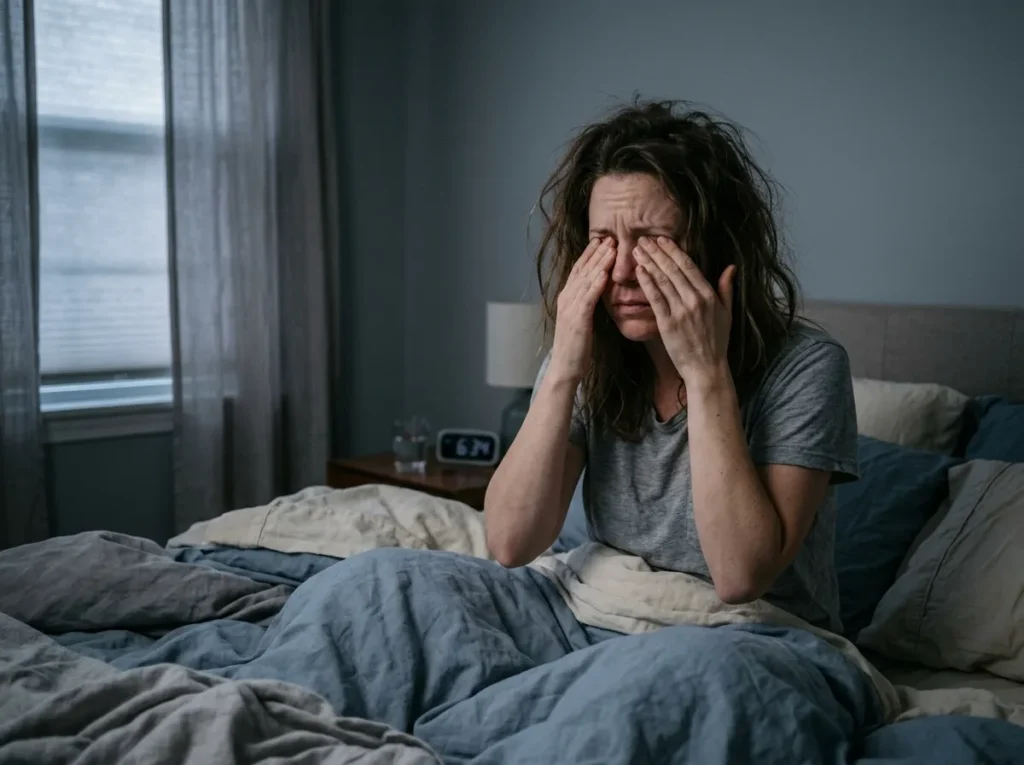
Poor sleep hygiene manifests in various physical and mental symptoms that affect daily functioning:
Physical symptoms:
- Chronic fatigue and low energy levels
- Frequent headaches or tension
- Weakened immune system with frequent illness
- Weight gain or difficulty losing weight
- Increased sensitivity to pain
Mental and emotional symptoms:
- Difficulty concentrating or making decisions
- Memory problems and forgetfulness
- Irritability and mood swings
- Increased anxiety or depression symptoms
- Reduced motivation and productivity
Medical Risks of Chronic Sleep Deprivation
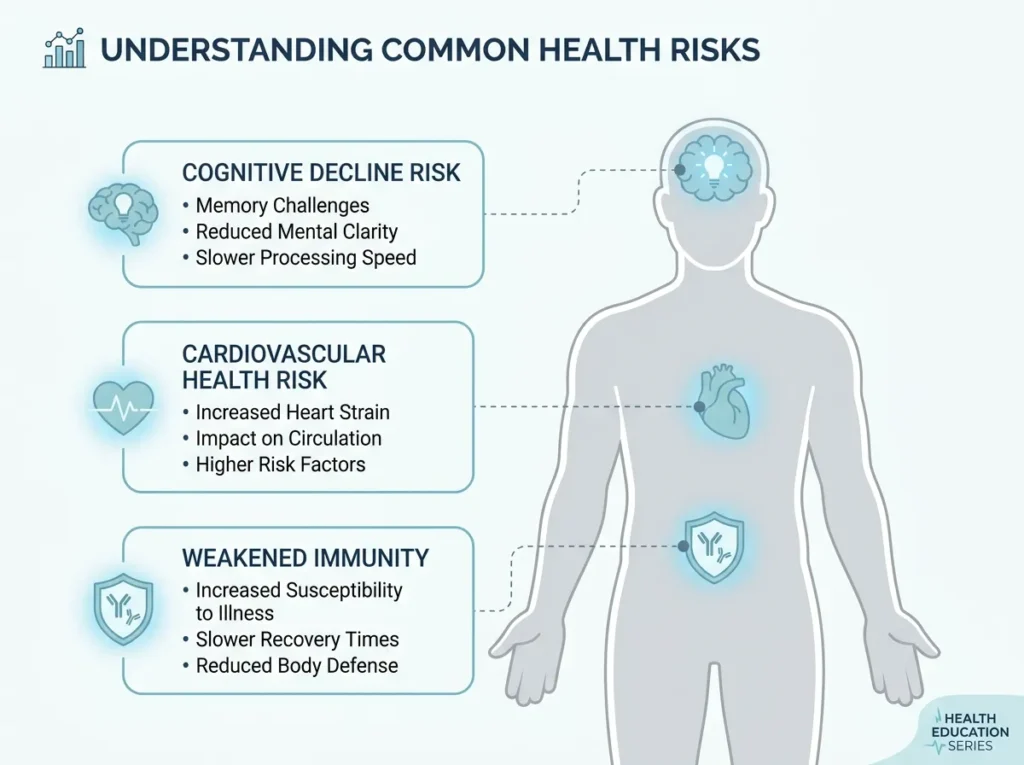
Consistently poor sleep increases your risk of serious health conditions:
Cardiovascular risks:
- High blood pressure
- Heart disease and irregular heart rhythms
- Increased stroke risk
- Elevated cholesterol levels
Metabolic consequences:
- Type 2 diabetes development
- Insulin resistance
- Obesity and metabolic syndrome
- Disrupted hormone regulation
Mental health impacts:
- Clinical depression
- Anxiety disorders
- Cognitive decline and dementia risk
- Reduced emotional regulation
Latest Treatment Technologies for Sleep Disorders
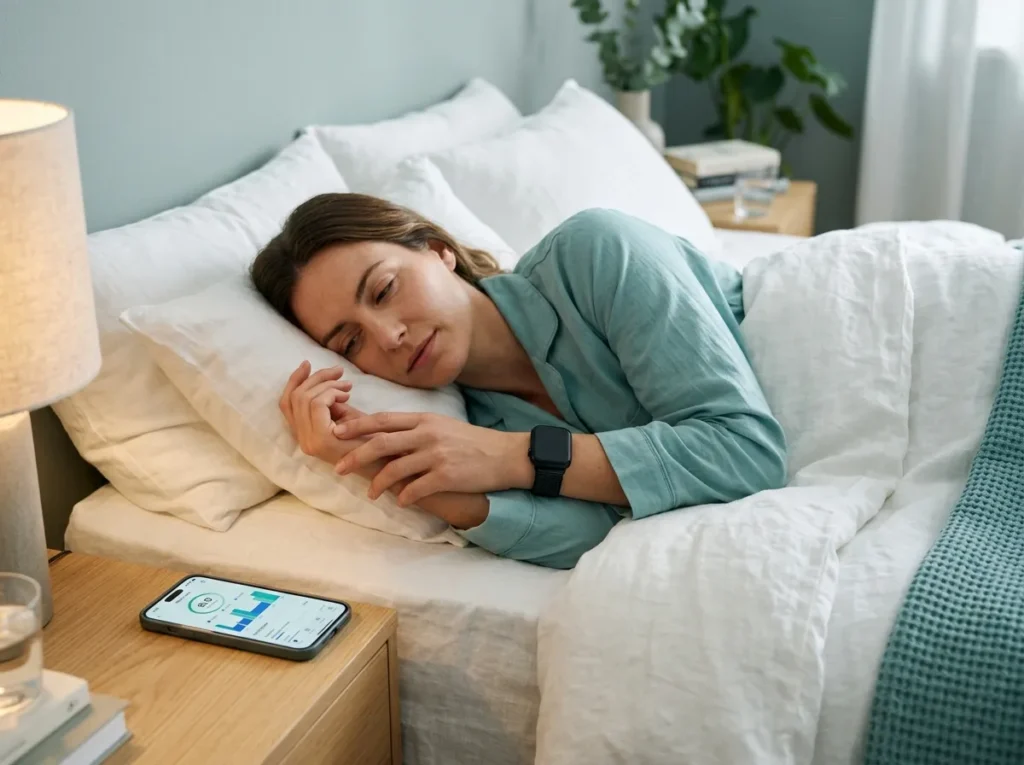
Modern technology offers innovative solutions for sleep improvement:
Sleep tracking devices:
- Wearable fitness trackers monitoring sleep stages
- Smart mattresses with integrated sensors
- Smartphone apps analyzing sleep patterns
- Under-mattress sleep monitors providing detailed reports
Light therapy solutions:
- Dawn simulation alarm clocks
- Blue light blocking glasses
- Light therapy lamps for circadian rhythm regulation
- Smart bulbs that adjust color temperature automatically
Sound and environment control:
- White noise machines and sleep apps
- Smart thermostats for optimal bedroom temperature
- Sleep-inducing sound frequencies and binaural beats
- Environmental control systems managing humidity and air quality
Medical interventions:
- Continuous Positive Airway Pressure (CPAP) machines for sleep apnea
- Oral appliances for snoring and mild sleep apnea
- Cognitive Behavioral Therapy for Insomnia (CBT-I) programs
- Prescription sleep aids when appropriate
Lifestyle Advice for Long-term Sleep Success

Sustainable sleep improvement requires gradual implementation of healthy habits:
Start small and build gradually:
- Choose one or two habits to implement first
- Allow 2-3 weeks for each new habit to establish
- Track your progress using a sleep diary
- Celebrate small improvements along the way
Create accountability systems:
- Share your sleep goals with family members
- Use smartphone apps for habit tracking
- Consider joining online sleep improvement communities
- Work with a healthcare provider for guidance
Adapt habits to your lifestyle:
- Modify recommendations to fit your work schedule
- Account for family responsibilities and constraints
- Find alternatives when travel disrupts routines
- Remain flexible while maintaining consistency
Conclusion
Implementing these 10 proven sleep hygiene tips creates a foundation for restful, restorative sleep. Remember that lasting change takes time, and consistency matters more than perfection. Start with the habits that feel most achievable for your current lifestyle, then gradually incorporate additional strategies. Quality sleep isn’t a luxury—it’s essential for your physical health, mental well-being, and overall quality of life. By prioritizing these evidence-based practices, you invest in better sleep and a healthier future.
Frequently Asked Questions
How long does it take for sleep hygiene tips to show results?
Most people notice improvements in sleep quality within 2-4 weeks of consistently practicing good sleep hygiene tips. However, some benefits like easier sleep onset may appear within the first week, while deeper changes to your circadian rhythm may take 4-6 weeks to fully establish.
Can I take naps during the day if I follow good sleep hygiene tips?
Yes, strategic napping can be part of healthy sleep hygiene tips. Keep naps short (20-30 minutes) and avoid napping after 3 PM to prevent interference with nighttime sleep. Power naps can boost alertness and performance without disrupting your primary sleep period.
What should I do if I can’t fall asleep despite following these habits?
If you can’t fall asleep within 20-30 minutes, leave your bedroom and engage in a quiet, relaxing activity until you feel drowsy. Avoid watching the clock, checking your phone, or forcing sleep. Return to bed only when you feel naturally sleepy, and consider consulting a healthcare provider if sleep difficulties persist beyond one month.