The Impact of Stress on Sleep and How to Manage It
The Impact of Stress on Sleep and How to Manage It
Introduction: Why Stress and Sleep Matter Together
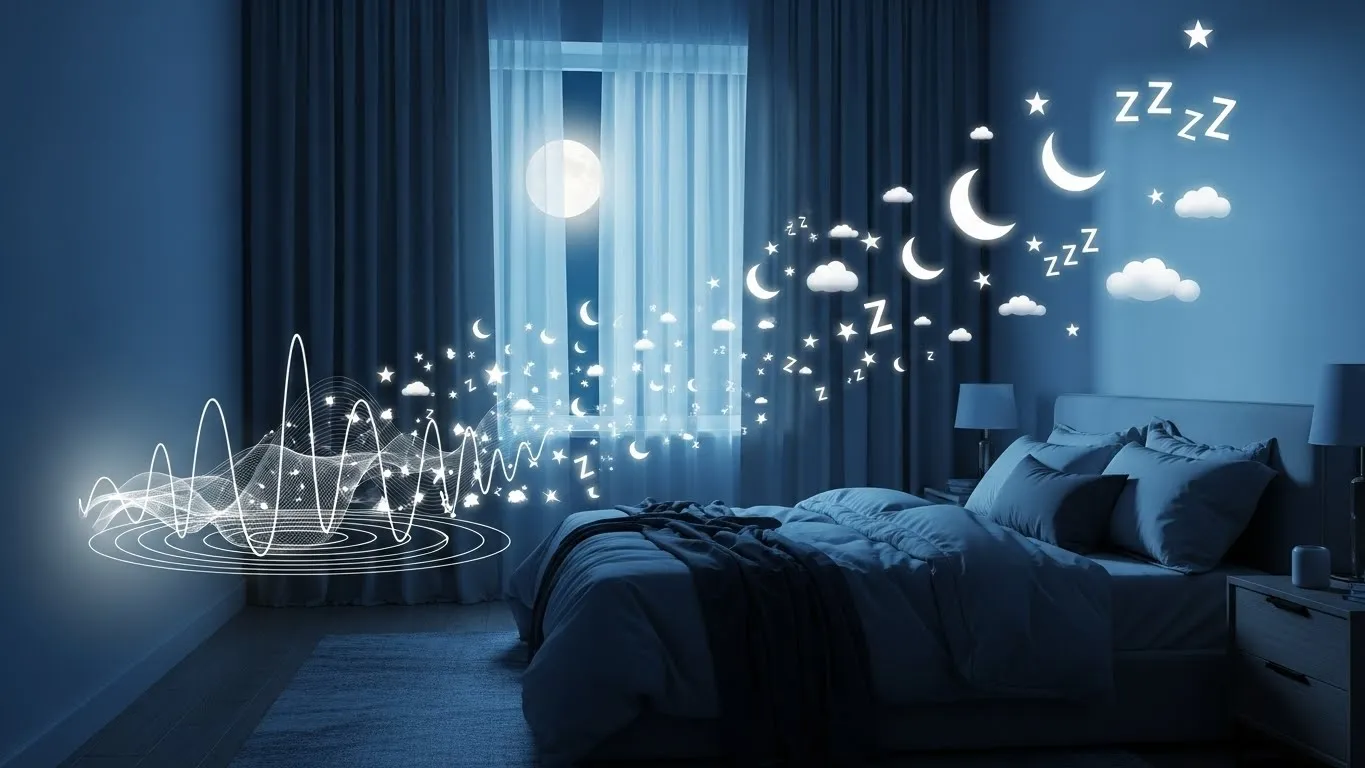
Stress on sleep share a powerful two-way relationship. When stress rises, sleep often suffers. When sleep declines, stress grows stronger. Many Americans live in this cycle daily. Work pressure, financial worries, and constant notifications keep the mind alert at night.
Healthy sleep supports mood, focus, immunity, and heart health. Chronic stress weakens these benefits. Understanding stress on sleep helps you break the cycle and restore calm nights.
This guide explains how stress affects sleep and offers practical ways to manage both. You will learn science-backed strategies, gentle herbs, relaxation exercises, and daily routines that reduce anxiety.
How Stress Affects Sleep
The Stress Response and the Brain
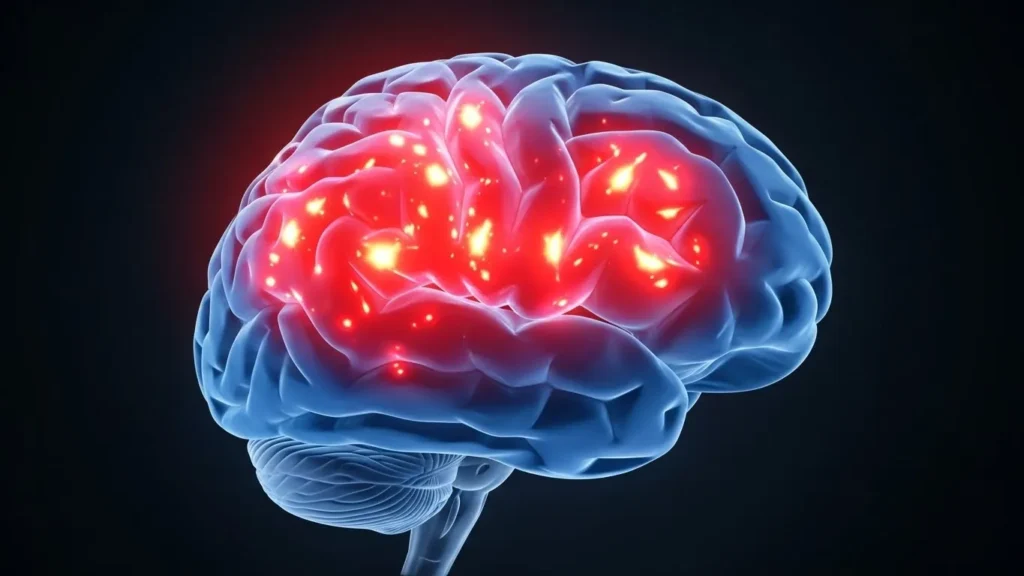
Stress triggers the body’s fight-or-flight response. Your brain releases cortisol and adrenaline. These hormones raise heart rate and sharpen focus. They also block deep, restorative sleep.
When stress continues, cortisol stays high at night. Your brain struggles to shift into sleep mode. You may feel tired but wired.
According to sleep researchers, stress directly interferes with the body’s natural sleep cycles.
Stress on Sleep Cycles
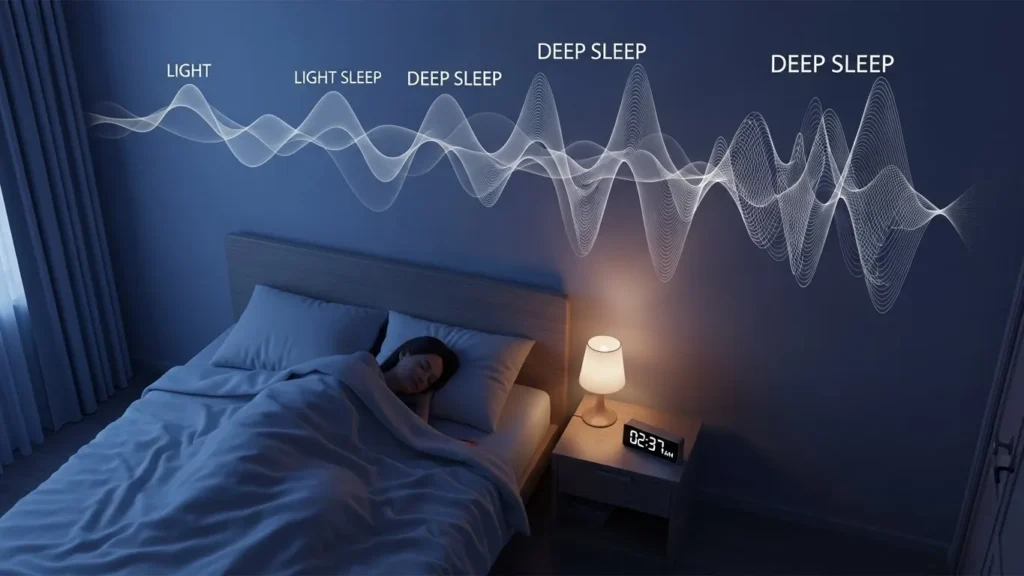
Healthy sleep moves through light, deep, and REM stages. Stress disrupts this rhythm. You may fall asleep late or wake often. Deep sleep shortens. REM sleep becomes fragmented.
Over time, poor sleep increases emotional reactivity. This change makes stress feel stronger the next day. Stress on sleep then fuel each other.
Common Sleep Problems Linked to Stress
- Difficulty falling asleep
- Frequent nighttime awakenings
- Early morning waking
- Anxious or vivid dreams
- Non-restorative sleep
These issues often appear during stressful periods. They may fade when stress drops. Chronic stress can turn them into long-term insomnia.
The Health Risks of Chronic Stress and Poor Sleep
Mental Health Effects
Poor sleep reduces emotional control. You may feel irritable or overwhelmed. Stress on sleep problems increase the risk of anxiety and depression. Clear thinking becomes harder.
Chronic stress is also linked to anxiety and depression, as noted by mental health experts.
Physical Health Consequences
Sleep supports immune balance and metabolic health. Chronic stress on sleep loss raise inflammation. They increase the risk of heart disease, weight gain, and diabetes.
Daytime Performance and Safety
Lack of sleep slows reaction time. Focus drops. Errors increase at work and while driving. Stress on sleep issues can affect relationships and job performance.
Signs That Stress Is Hurting Your Sleep
Nighttime Clues
-
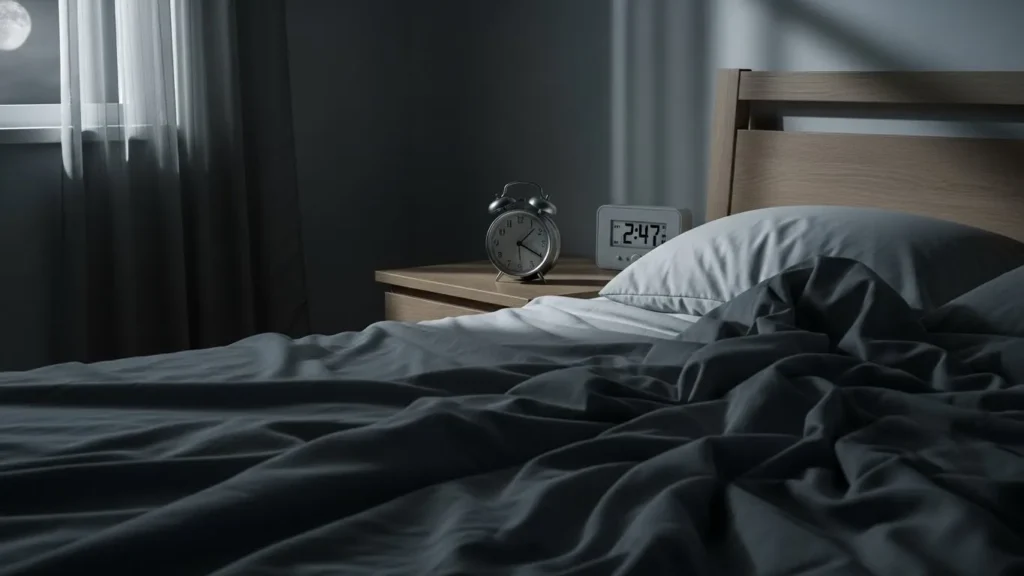
Racing thoughts at bedtime
-
Tight muscles or jaw clenching
-
Restless legs or frequent movement
-
Waking with a pounding heart
Daytime Signals
-
Morning fatigue despite enough hours in bed
-
Strong caffeine cravings
-
Low patience and mood swings
-
Brain fog and forgetfulness
If you notice these signs, stress on sleep likely need attention.
Proven Relaxation Exercises for Better Sleep

Deep Breathing to Calm the Nervous System
Deep breathing slows heart rate and lowers cortisol. Try this simple routine before bed:
-
Inhale through your nose for four seconds.
-
Hold for two seconds.
-
Exhale through your mouth for six seconds.
-
Repeat for five minutes.
This exercise shifts the body into a calm state that supports sleep.
Progressive Muscle Relaxation
Muscle tension often hides stress. This method releases it gently.
-
Start with your feet. Tense for five seconds.
-
Release fully for ten seconds.
-
Move upward through legs, torso, arms, and face.
Many people feel sleepy before finishing the sequence.
Guided Imagery
Visualization redirects anxious thoughts. Picture a safe, peaceful place. Use all senses. Hear sounds, feel textures, and notice scents. This practice quiets the mind and supports stress on sleep balance.
Daily Routines That Reduce Anxiety and Improve Sleep
Morning Habits That Support Nighttime Rest
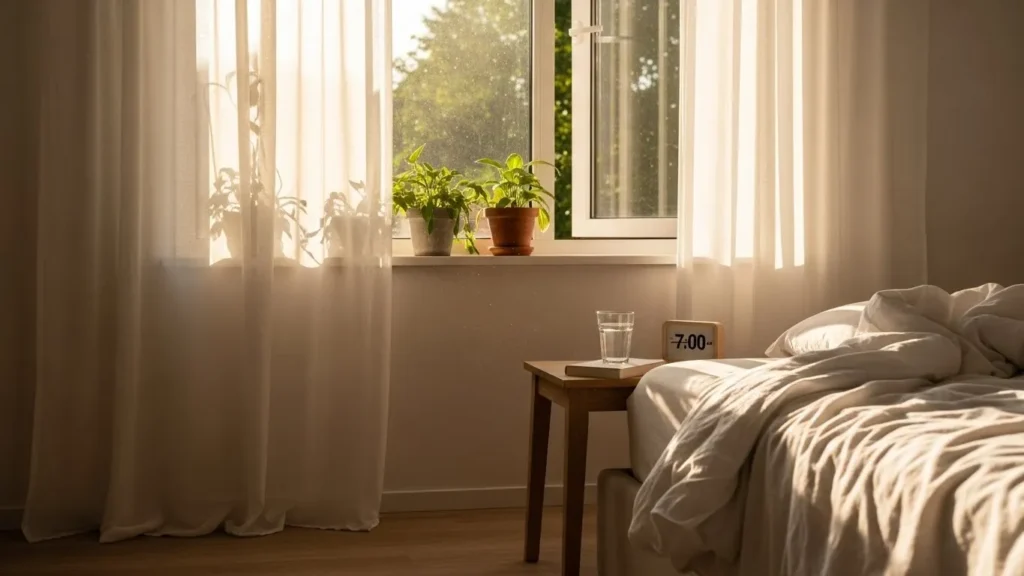
Start the day with light exposure. Sunlight sets your internal clock. Take a short walk or sit near a window.
Eat a balanced breakfast with protein. Stable blood sugar reduces stress later. Limit early news consumption if it raises anxiety.
Smart Workday Stress Management
Schedule short breaks every 90 minutes. Stand, stretch, or breathe deeply. Avoid skipping meals. Dehydration and hunger raise stress hormones.
Keep caffeine before 2 p.m. Late caffeine disrupts stress on sleep rhythms.
Evening Wind-Down Routine
Create a predictable routine one hour before bed. Consistency signals safety to the brain.
-
Dim lights
-
Silence notifications
-
Take a warm shower
-
Read a calming book
Avoid intense discussions at night. Protect this time for rest.
If you want more practical strategies, try these proven tips for falling asleep faster tonight.
Herbal Support for Stress on Sleep

Herbs can support relaxation when used safely. They work best with healthy routines.
Always review evidence-based guidance on herbal supplements before regular use.
Chamomile
Chamomile promotes calm and digestive comfort. Many people drink chamomile tea before bed. It supports relaxation without sedation.
Valerian Root
Valerian root may reduce sleep latency. It supports deeper sleep for some adults. Start with a low dose. Use it short term unless a professional advises otherwise.
Lavender
Lavender aroma reduces anxiety and heart rate. Use essential oil in a diffuser. Some people place a sachet near the pillow. Lavender supports stress on sleep balance gently.
Passionflower
Passionflower helps quiet racing thoughts. It supports GABA activity in the brain. Many find it useful during stressful periods.
Safety note: Consult a healthcare professional before using herbs, especially if you take medications or feel pregnant.
Nutrition Tips That Help Stress on Sleep

Foods That Support Calm
Eat complex carbohydrates at dinner. Examples include oats, brown rice, and sweet potatoes. They support serotonin production.
Include magnesium-rich foods. Leafy greens, nuts, and seeds relax muscles and nerves.
Foods to Limit at Night
Avoid heavy, spicy meals close to bedtime. Limit alcohol. It fragments sleep later. Reduce added sugar at night. Sugar spikes stress hormones.
Exercise and Its Role in Stress on Sleep
The Right Timing Matters
Regular exercise reduces stress and improves sleep quality. Aim for moderate activity most days. Morning or afternoon workouts work best.
Intense evening exercise may delay sleep for some people. Test timing and adjust.
Gentle Evening Movement
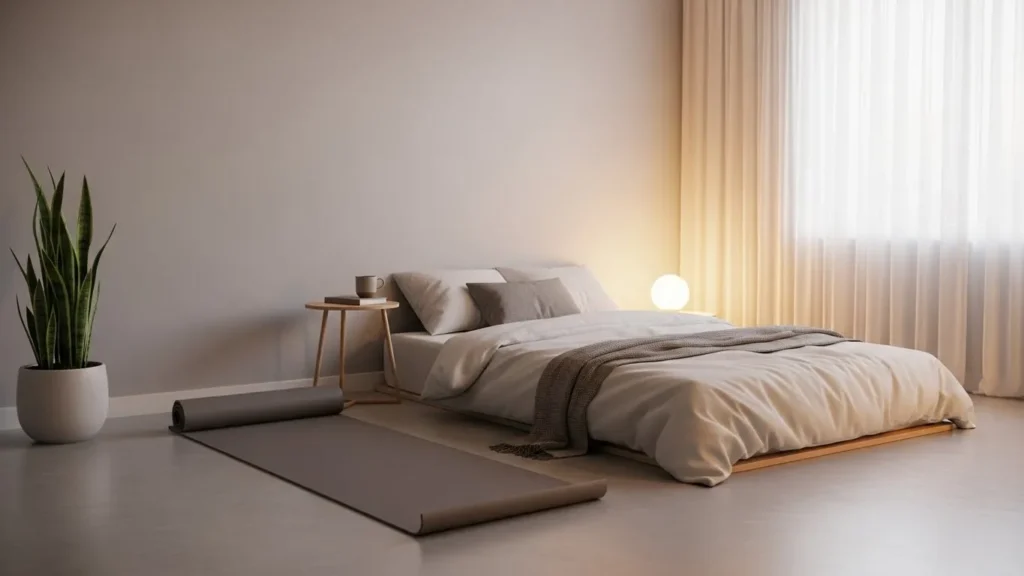
Light stretching or yoga supports relaxation. Focus on slow movements and breathing. This approach prepares the body for rest.
Creating a Sleep-Friendly Environment
Optimize Your Bedroom
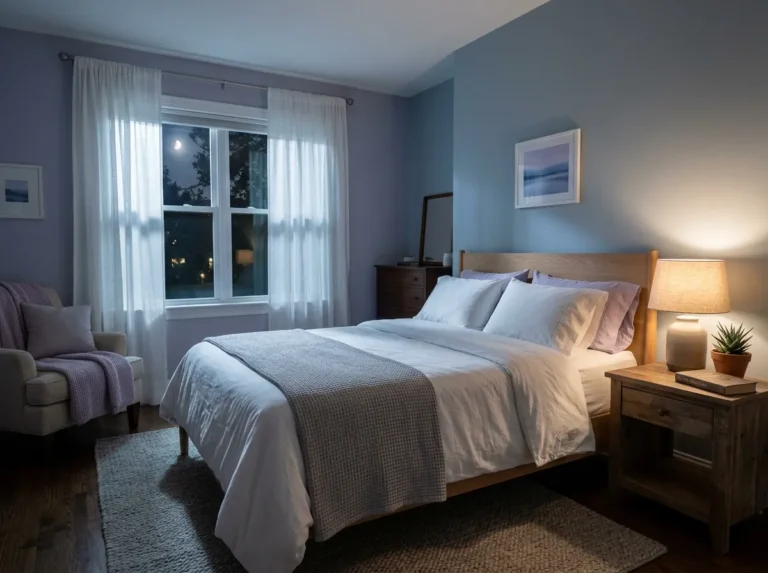
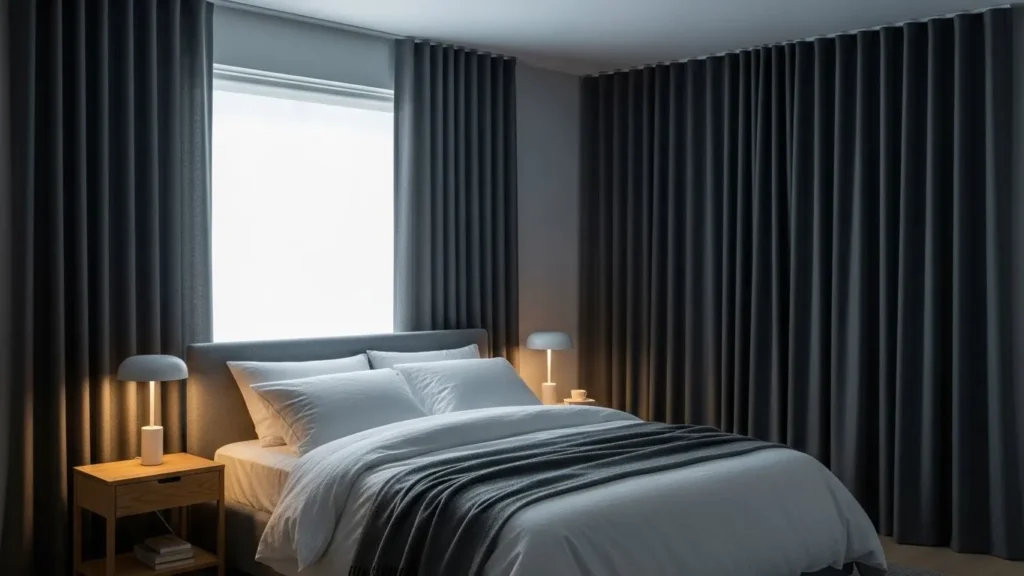
Keep the room cool, dark, and quiet. Use blackout curtains if needed. Remove work items from view.
Choose a supportive mattress and pillow. Physical comfort reduces nighttime awakenings.
Reduce Mental Triggers
Reserve the bed for sleep and intimacy. Avoid working or scrolling in bed. This habit strengthens the brain’s sleep association.
When to Seek Professional Help
If stress on sleep problems last longer than four weeks, seek help. Cognitive behavioral therapy for insomnia helps many adults. Therapy can address stress patterns and sleep habits together.
Public health organizations emphasize early treatment for persistent sleep problems.
A healthcare professional can rule out medical causes. Early support prevents chronic issues.
Ongoing sleep issues may indicate a deeper condition such as insomnia.
Conclusion: Restore Balance Between Stress on Sleep
Stress on sleep affect every part of health. You cannot fix one without supporting the other. Small, consistent changes create powerful results.
Practice daily relaxation. Build calming routines. Use herbs like chamomile, valerian root, lavender, and passionflower wisely. Protect your sleep environment. These steps reduce anxiety and improve rest.
With patience and consistency, you can break the cycle and enjoy calmer days and deeper nights.
FAQs About Stress on Sleep
1. How does stress affect sleep quality?
Stress raises cortisol and keeps the brain alert. This state delays sleep and reduces deep, restorative stages.
2. Can relaxation exercises really improve sleep?
Yes. Breathing, muscle relaxation, and imagery calm the nervous system. They reduce arousal and support faster sleep onset.
3. Are herbal remedies safe for stress on sleep?
Many adults tolerate chamomile, lavender, valerian root, and passionflower well. Always consult a healthcare professional before use.