
Herbal Remedies That Help You Sleep Naturally
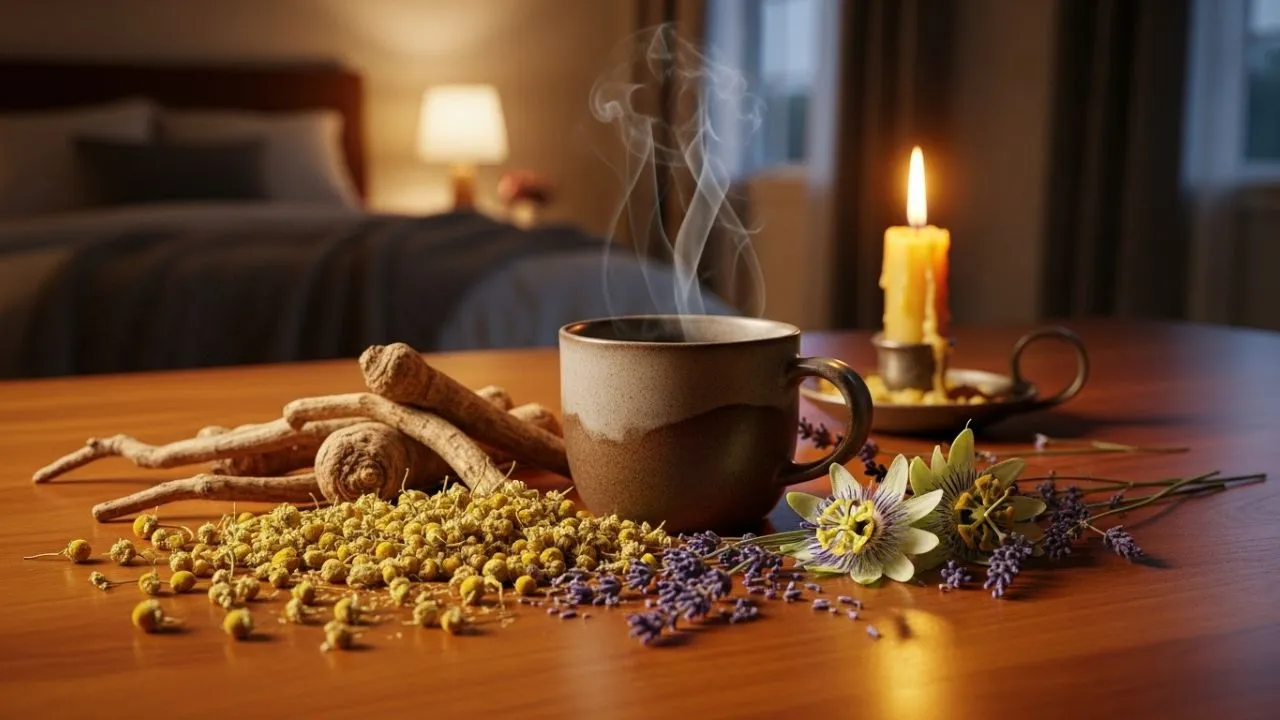
Many Americans prefer gentle solutions to sleep problems. This guide covers effective herbal sleep remedies like chamomile, valerian root, lavender, and passionflower. Learn benefits, usage tips, and safety notes to sleep naturally.
What Are Herbal Sleep Remedies?
Herbal sleep remedies are plant-based treatments that promote relaxation and help you fall asleep more easily. These remedies often act on calming brain receptors and cut stress levels. They offer gentle support compared with prescription sleep drugs.
The Best Herbal Sleep Remedies
Below are four well-studied and widely used herbal sleep remedies. Each entry lists benefits, how to use the herb, and safety caveats.
Chamomile: The Classic Calming Herb

Benefits
Chamomile contains apigenin, an antioxidant that binds to brain receptors to lower anxiety. Many people use chamomile tea as a mild, reliable herbal sleep remedy.
How to Use Chamomile
- Tea: Steep 1–2 tsp dried chamomile flowers in hot water 5–10 minutes. Drink 30 minutes before bed.
- Capsules: Follow label directions, often 400–1600 mg daily.
Safety Notes
Avoid chamomile if you have ragweed allergy. It can interact with blood thinners and raise bleeding risk.
Valerian Root: Nature’s Sleep Enhancer

Benefits
Valerian raises GABA levels to slow brain activity. Many studies show it shortens the time it takes to fall asleep and improves sleep quality.
How to Use Valerian Root
- Tea: Steep 1 tsp dried root in boiling water 10–15 minutes.
- Capsules: 300–600 mg one hour before bed is common.
Safety Notes
Valerian is safe for short-term use. Avoid mixing with alcohol or prescription sedatives. Stop if you get headaches or stomach upset.
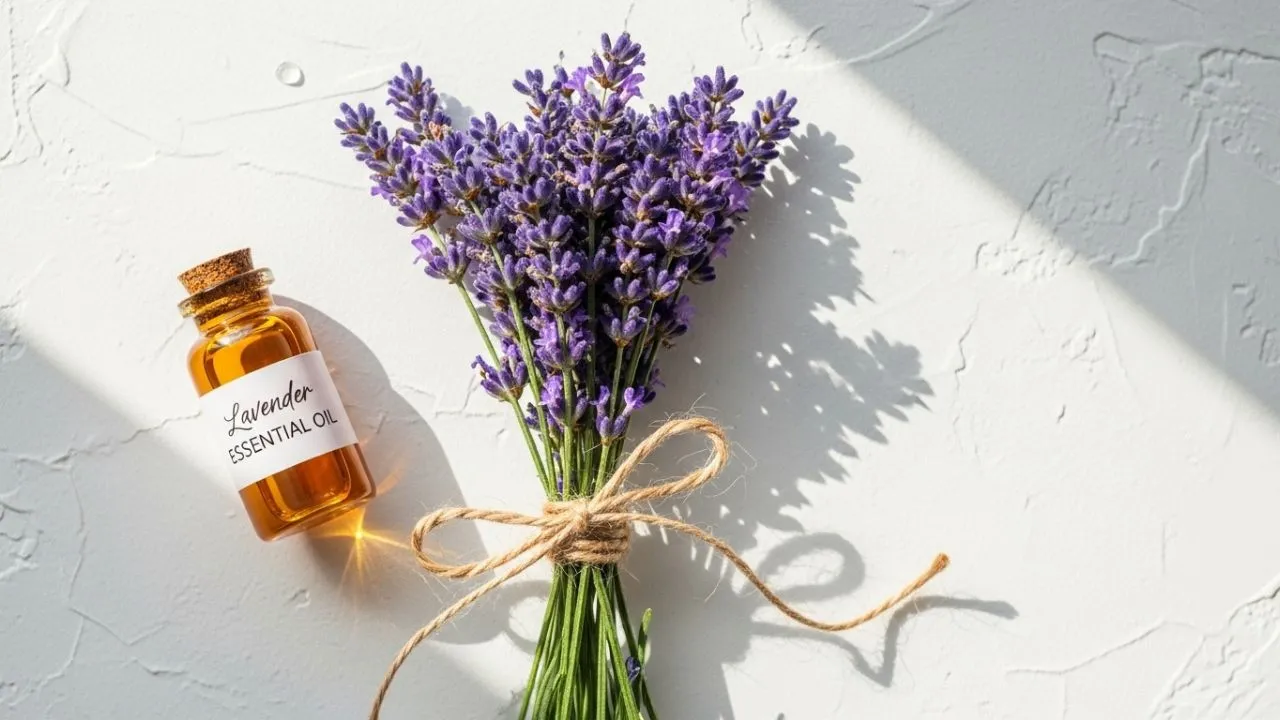
Lavender: Aromatherapy for Deep Relaxation
Benefits
Lavender lowers heart rate and reduces anxiety. Studies show inhaled lavender improves sleep quality and increases restful sleep time.
How to Use Lavender
- Aromatherapy: Add 3–6 drops lavender essential oil to a diffuser or pillow.
- Tea: Brew lavender buds for five minutes and sip slowly before bed.
- Bath: Add a few drops of essential oil to a warm bath to unwind.
Safety Notes
Do not ingest undiluted essential oil. For topical use, dilute with a carrier oil to avoid skin irritation.
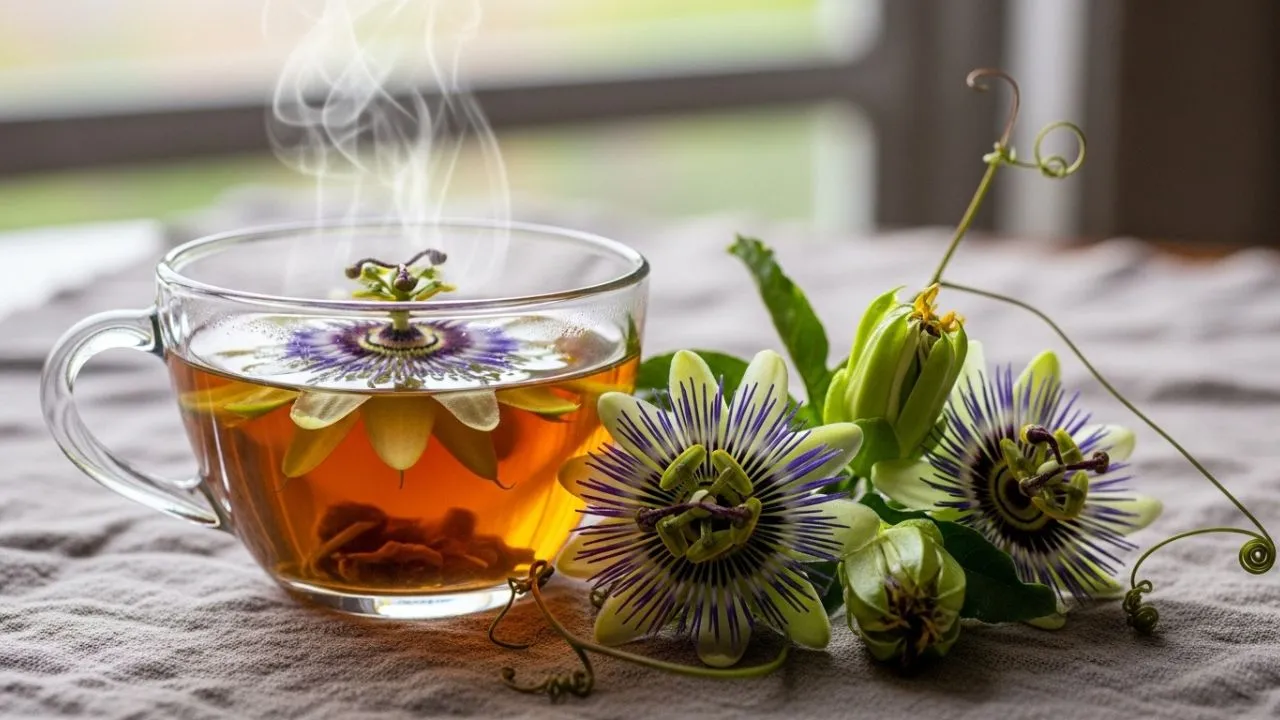
Passionflower: The Tranquility Herb
Benefits
Passionflower increases GABA activity and eases an overactive mind. Clinical trials show it can improve mild insomnia symptoms.
How to Use Passionflower
- Tea: Steep 1 tsp dried passionflower in hot water for 10 minutes.
- Capsules: Typical doses run 250–500 mg thirty minutes before bed.
Safety Notes
Passionflower may cause drowsiness or dizziness at high doses. Avoid during pregnancy and breastfeeding unless cleared by a clinician.
How to Use Herbal Sleep Remedies Effectively
Start with a single herb to watch how your body reacts. Combine herbs cautiously and follow these tips:
- Create a consistent night routine and take herbal sleep remedies at the same time.
- Avoid caffeine and screens one hour before bed.
- Pair herbal teas with a calming scent, like lavender, for extra benefit.
- Expect gradual improvement; herbs can take one to two weeks to show clear effects.
Safety and Precautions
Natural does not mean risk-free. Check these safety points before using herbal sleep remedies:
- Talk to your doctor if you take antidepressants, sedatives, blood thinners, or other medication.
- Use herbs short term unless your clinician advises otherwise.
- Stop use and seek help for allergic reactions or breathing trouble.
- Pregnant or nursing people should consult a healthcare provider first.
The Science Behind Herbal Sleep Remedies
Many herbs act on GABA receptors to reduce brain activity and stress. Others lower cortisol and reduce anxiety. When paired with good sleep habits, herbal sleep remedies can help restore a healthy sleep cycle.
Lifestyle Tips to Boost Results

- Keep a regular sleep schedule every day.
- Make your bedroom cool, dark, and quiet.
- Limit heavy meals close to bedtime.
- Use relaxation techniques like deep breathing or gentle yoga before bed.
When to See a Doctor
If sleep problems last more than three weeks, consult a clinician. Chronic insomnia may indicate sleep apnea, anxiety, or depression. Herbal sleep remedies suit mild to moderate sleep troubles. Seek medical care for severe or ongoing problems.
Frequently Asked Questions
1. Can I take herbal sleep remedies every night?
Yes, most herbs are safe nightly. Still, take breaks or alternate herbs. Check with your clinician for long-term use.
2. How long before bed should I take herbal sleep remedies?
Take them 30–60 minutes before bedtime to allow calming compounds to work.
3. Can I combine different herbal sleep remedies together?
You can combine herbs like chamomile and valerian root for added calm. Start with small doses and watch for side effects.