Understanding Insomnia: Causes, Symptoms, and Effective Treatments

Insomnia affects millions of Americans each year. Whether it’s difficulty falling asleep, staying asleep, or waking up too early, insomnia can disrupt both your nights and your days. Understanding its causes, symptoms, and the best approaches to insomnia treatment can help you regain restorative sleep and improve your quality of life.
What Is Insomnia?
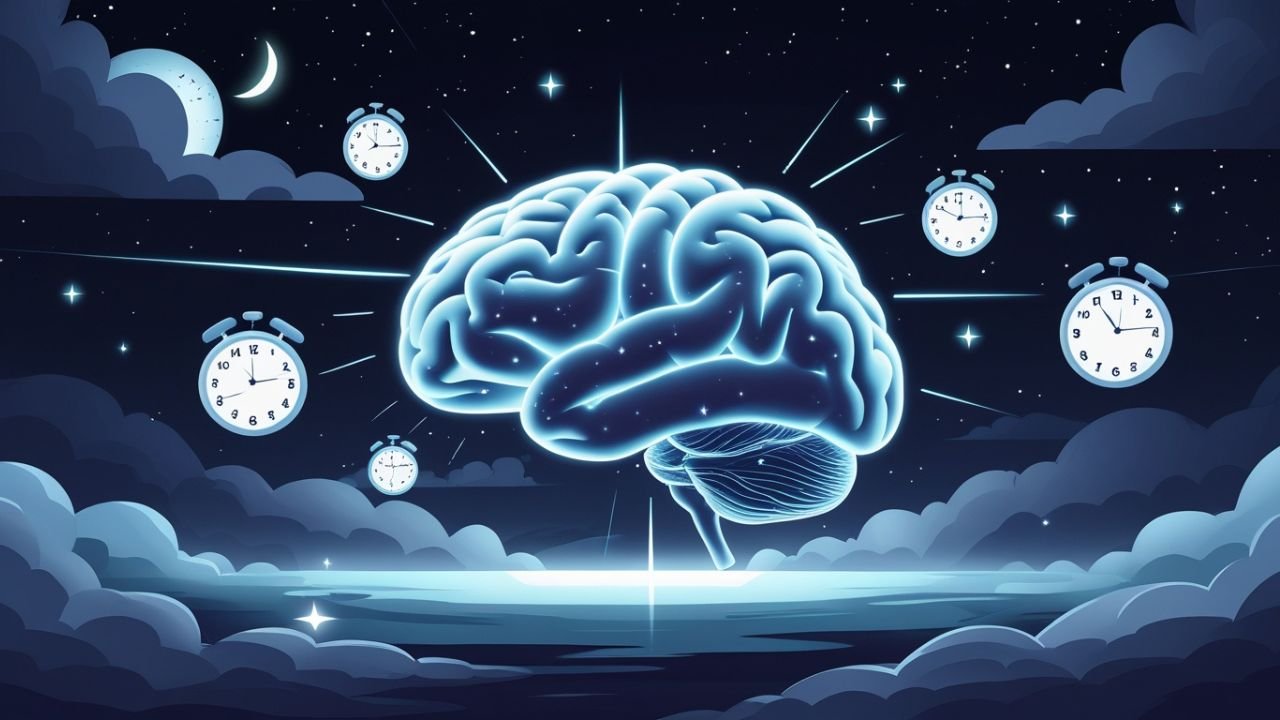
Insomnia is a common sleep disorder that makes it hard to fall asleep, stay asleep, or get quality rest. People with insomnia often feel tired during the day, have low energy, and struggle with focus and mood.
Doctors classify insomnia as either acute or chronic:
- Acute insomnia lasts a few days or weeks, often triggered by stress, changes in routine, or emotional events.
- Chronic insomnia occurs at least three nights a week for three months or longer.
Although anyone can experience insomnia, it becomes more common with age, stress, and lifestyle habits.
Main Causes of Insomnia
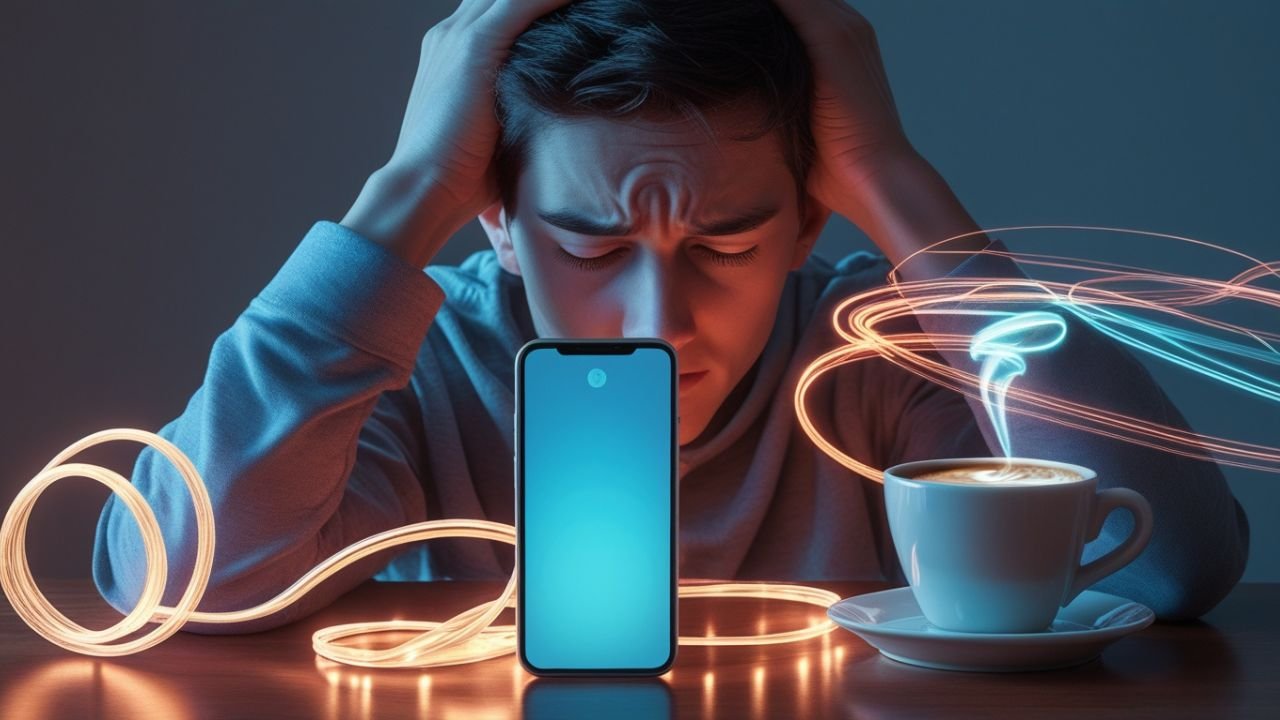
Insomnia rarely has a single cause. It usually results from a mix of physical, emotional, and lifestyle factors. Understanding the root cause is key to finding the right insomnia treatment.
1. Stress and Anxiety
Work pressure, financial concerns, or personal conflicts can keep your mind active at night. Racing thoughts delay the body’s ability to relax and fall asleep.
Work pressure, financial concerns, or personal conflicts can keep your mind active at night. Learn more about the stress–sleep connection in our guide on The Impact of Stress on Sleep and How to Manage It.
2. Poor Sleep Habits
Irregular sleep schedules, excessive screen time, or stimulating evening activities can disrupt your natural sleep rhythm.
3. Medical Conditions
Chronic pain, asthma, allergies, acid reflux, and neurological disorders such as Parkinson’s disease can interfere with restful sleep. Hormonal changes during menopause may also trigger insomnia.
4. Medications and Substances
Certain medications like antidepressants or blood pressure drugs may cause sleep problems. Caffeine, nicotine, and alcohol also affect sleep quality, especially when consumed in the evening.
5. Mental Health Disorders
Depression and anxiety are strongly linked with insomnia. People dealing with emotional distress often experience changes in sleep duration and quality.
6. Environmental Factors
Noise, light, temperature, or an uncomfortable mattress can prevent your body from fully relaxing. Even small disturbances can fragment your sleep.
Symptoms and Effects of Insomnia

Insomnia impacts more than just your ability to sleep—it affects how you function during the day. Recognizing the symptoms early can help you seek the right insomnia treatment.
Common Symptoms
- Difficulty falling asleep at night
- Waking up frequently or too early
- Feeling tired despite spending enough time in bed
- Daytime fatigue and irritability
- Poor concentration and memory issues
- Increased errors or accidents
Long-Term Effects
Chronic insomnia increases the risk of:
- Heart disease and high blood pressure
- Type 2 diabetes
- Obesity
- Depression and anxiety
- Weakened immune function
Effective Insomnia Treatment Options

There is no one-size-fits-all solution for insomnia. The best approach combines lifestyle changes, therapy, and in some cases, medication. Let’s explore the most effective insomnia treatment strategies available.
1. Cognitive Behavioral Therapy for Insomnia (CBT-I)
CBT-I is the gold standard insomnia treatment. It helps people change thoughts and behaviors that interfere with sleep. Therapists guide patients through relaxation techniques, sleep scheduling, and mental exercises.
2. Sleep Hygiene Improvement
Good sleep hygiene is the foundation of any insomnia treatment. These habits strengthen your sleep cycle:
- Maintain a consistent bedtime and wake-up time.
- Limit caffeine, alcohol, and nicotine after midday.
- Keep your bedroom cool, dark, and quiet.
- Use your bed only for sleep and intimacy.
- Avoid screens at least an hour before bedtime.
3. Relaxation Techniques

Stress relief plays a big role in effective insomnia treatment. Try deep breathing, mindfulness, or gentle yoga before bed to calm your mind and body.
4. Natural and Alternative Remedies
Some people benefit from herbal supplements and natural therapies as part of their insomnia treatment plan. Common remedies include:
- Melatonin: Regulates sleep-wake cycles.
- Valerian root: Known for its mild sedative effect.
- Chamomile tea: Promotes relaxation.
Some people prefer natural approaches before turning to prescription insomnia treatment. Our guide on Herbal Sleep Remedies That Help You Sleep Naturally explores evidence-based plant options in detail.
Always consult your doctor before starting any supplements.
5. Medications for Insomnia
Prescription sleep aids may be necessary for short-term insomnia treatment. Common types include:
- Benzodiazepine receptor agonists (zolpidem, eszopiclone)
- Antidepressants with sedative properties
- Orexin receptor antagonists
These should only be used under medical supervision to avoid dependency.
Daily Prevention Tips for Better Sleep
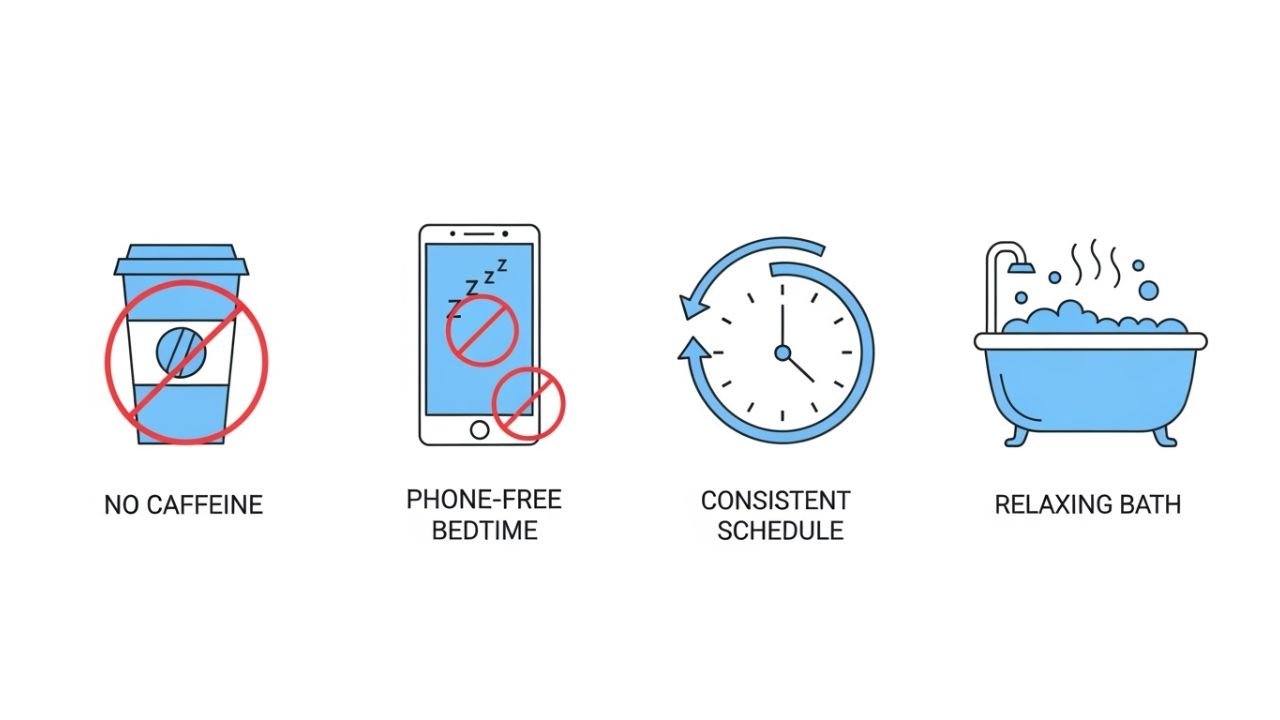
1. Create a Wind-Down Routine
Dedicate your last hour before bed to relaxing activities like reading or listening to soft music.
2. Get Morning Sunlight
Exposure to natural light early in the day helps regulate your internal clock and improve nighttime sleep.
3. Exercise Regularly
Moderate physical activity improves sleep quality. Aim for at least 30 minutes daily, but avoid intense workouts before bed.
4. Watch What You Eat and Drink
Heavy meals, caffeine, and spicy foods near bedtime can disrupt rest. Eat light dinners and stay hydrated.
5. Manage Stress Early
Journaling, mindfulness, or talking with friends can help reduce nighttime anxiety and racing thoughts.
Chronic stress is one of the most overlooked causes of insomnia. Our article on The Impact of Stress on Sleep and How to Manage It explains practical ways to calm your nervous system before bedtime.
When to See a Doctor
If insomnia lasts more than three weeks or interferes with daily functioning, consult your doctor. They can recommend proper insomnia treatment or refer you to a sleep specialist.
Conclusion

Insomnia is more than a simple lack of sleep—it affects your entire well-being. By identifying causes, recognizing symptoms, and applying effective insomnia treatment methods like CBT-I and good sleep hygiene, you can reclaim your nights and feel rejuvenated each morning.
With consistent care and healthy habits, restful sleep is within reach.
FAQs
1. What is the best treatment for insomnia?
The most effective insomnia treatment is Cognitive Behavioral Therapy for Insomnia (CBT-I). It corrects thought patterns and habits that interfere with sleep.
2. Can insomnia go away without medication?
Yes. Many people improve with better sleep hygiene, stress management, and natural remedies. Medication is a short-term option when other treatments fail.
3. How long does it take to recover from insomnia?
Recovery time varies. Some people improve within weeks, while others need several months of consistent insomnia treatment and lifestyle changes.